
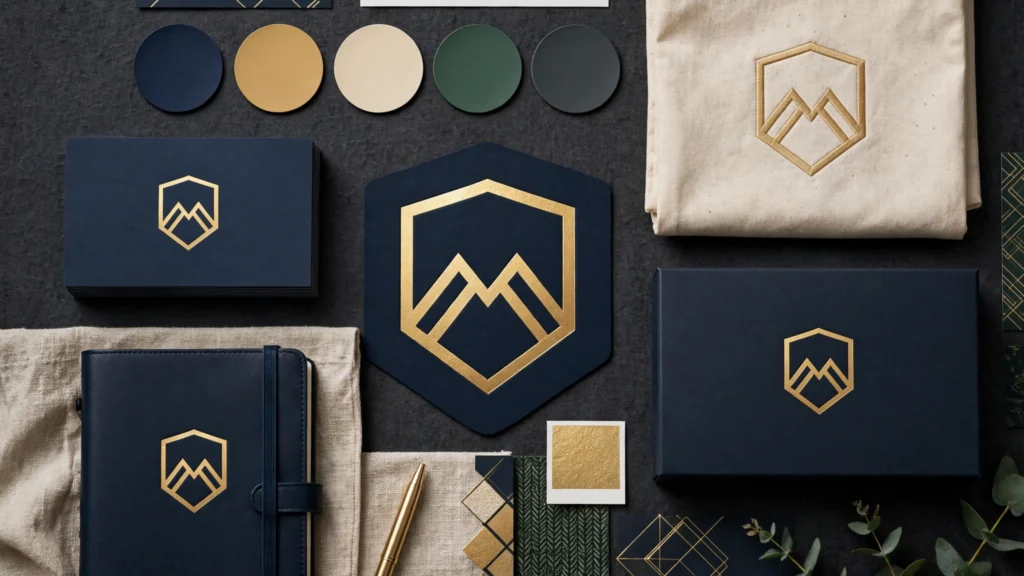
A strong brand identity is the single biggest differentiator between a business that gets remembered and one that gets forgotten. It is not just a logo or a color scheme — it is the sum of every visual, verbal, and emotional signal your company sends to the world. When a customer instantly recognizes a swoosh, a shade of red, or a familiar tone of voice, that recognition is the result of deliberate, consistent branding work, not luck.
Many entrepreneurs and marketers assume brand identity design starts with picking fonts and colors. In reality, it starts much earlier, with a clear understanding of purpose, audience, and positioning. Skipping this groundwork is why so many rebrands feel hollow or forgettable within a year.
This guide walks you through a proven, step-by-step framework for building a strong brand identity from the ground up, whether you’re launching a new company or fixing a brand that never quite landed. You’ll learn how to define your brand strategy, craft your messaging, design a cohesive visual system, and maintain consistency across every touchpoint. By the end, you’ll have a practical roadmap you can apply immediately, along with the research and tools that support each decision along the way.
Before building anything, it helps to separate four terms people often use interchangeably:
A strong brand identity is the toolkit that shapes brand image. Get the identity right, and you give your audience a consistent, trustworthy experience every time they interact with you.
Every lasting brand identity is built on a foundation of purpose. Before you touch a design tool, answer these questions honestly:
Your core values should be specific enough to actually guide decisions. “We care about quality” is generic. “We refuse to ship a product until it’s been tested by 50 real users” is a value you can build a brand around.
Purpose acts as a filter for every later decision — your color palette, your tone of voice, even your pricing strategy. A sustainability-focused business, for instance, will naturally lean toward earthy tones, recyclable packaging, and transparent messaging about sourcing. Skipping this step is the number one reason brand identities feel disconnected from the actual business.
You cannot build a brand identity that resonates without understanding who it needs to resonate with. This is where market research and competitor analysis come in.
Look at three to five direct competitors and evaluate:
This audit reveals gaps you can fill. If every competitor in your space uses a serious, corporate tone, a warmer and more conversational brand voice could become your point of differentiation.
Go beyond basic demographics. Understand:
Career-development research from Indeed’s brand identity guide recommends starting this process by analyzing the market to identify strengths, opportunities, and weaknesses, then clarifying what makes your company distinct from competitors. This early diagnostic work prevents you from designing an identity that looks good but misses the audience entirely.
Once you understand your purpose and audience, it’s time to translate that into words. This is where many businesses either strengthen or weaken their brand identity from scratch — messaging is often treated as an afterthought when it should be a core pillar.
Your brand voice is the personality behind your words. Decide early whether your brand sounds:
Whatever you choose, apply it consistently across your website copy, social captions, email newsletters, and customer support scripts. A brand that sounds professional on its homepage and overly casual on social media confuses its audience and dilutes trust.
This is the stage most people associate with “branding,” but as the research above shows, it should come after strategy, not before. A visual identity built without a strategic foundation tends to look attractive but communicate nothing meaningful.
Your logo is the most recognizable asset in your brand identity, but it should never be designed in isolation. It needs to work at every size, in black and white, and across digital and print formats. Avoid overly trendy design choices that will look dated within a few years.
Color triggers immediate psychological and emotional associations. Choose a primary color that reflects your brand personality, along with two to three supporting colors for flexibility across materials. Consistency here is what allows customers to recognize your brand at a glance — think of how instantly recognizable Coca-Cola red or Tiffany blue are.
Select one or two font families — typically a display font for headlines and a clean, readable font for body text. Avoid using more than two or three fonts across your entire brand system, as this creates visual noise.
Define a consistent photography style, illustration approach, or iconography set. Whether your brand uses bright, candid photography or minimalist line icons, this choice should reflect the same personality established in Step 1.
Document every visual decision — color codes, font names, logo usage rules, spacing requirements — in a single brand style guide (sometimes called a brand book). This resource ensures every team member, freelancer, or agency you work with applies your identity correctly, protecting the consistency that makes a strong brand identity recognizable in the first place.
A brand identity only becomes “strong” when it shows up consistently everywhere a customer might encounter your business:
Branded templates for social posts, presentations, and marketing materials keep your team aligned without requiring a designer for every asset. This is especially important for small teams and startups working with limited design resources.
For a deeper walkthrough of visual asset creation and brand guideline structuring, Adobe’s branding resource center offers a comprehensive guide to building a brand identity that covers tools for maintaining design consistency at scale.
No brand identity should launch without validation. Before a full rollout:
Feedback at this stage is far cheaper than a rebrand two years down the line after your audience has already formed impressions.
Building a strong brand identity from scratch isn’t a one-time project — it’s an ongoing discipline.
Assign ownership of your brand guidelines to a specific team member or department. Every new hire, freelancer, or partner agency should be onboarded with your brand style guide before producing any customer-facing material.
Track how your audience talks about your brand on social media, review sites, and customer surveys. This is where brand identity and brand image intersect — if perception drifts from what you designed, it’s a signal to investigate messaging or product experience gaps, not just visuals.
Brands should evolve gradually rather than through abrupt overhauls. Small, incremental refinements to a logo or color palette over the years (as seen with brands like Google or Starbucks) keep an identity feeling current without sacrificing the recognition built over time.
You don’t need an enterprise budget to execute the steps above. A handful of accessible tools can support each phase of the process:
Choosing the right tools matters less than using them consistently. A modest toolkit applied with discipline will always outperform an expensive one used inconsistently.
A few practical signals indicate your identity is doing its job:
If these signals are weak or absent, it’s usually a sign to revisit Steps 1 through 3 rather than simply redesigning the logo again.
How long does it take to build a brand identity from scratch?
A thorough process — covering strategy, messaging, and full visual design — typically takes four to twelve weeks depending on business complexity and stakeholder feedback cycles.
Do I need a professional designer to build a strong brand identity?
For long-term consistency and quality, working with a designer or agency is highly recommended, particularly for logo design and the visual identity system. Strategy and messaging, however, can and should be led internally by people who understand the business best.
What’s the difference between brand identity and brand strategy?
Brand strategy is the overall plan — your positioning, audience, and goals. Brand identity is the tangible expression of that strategy through visuals and messaging.
Building a strong brand identity from scratch is a deliberate process that starts with purpose and audience research, moves through positioning and messaging, and only then arrives at visual design — logo, color, typography, and imagery. The businesses that get remembered aren’t the ones with the flashiest logos; they’re the ones that apply a clear, consistent identity across every single customer touchpoint, gather feedback before committing fully, and protect that consistency as the brand grows. Treat your brand identity as a living system rather than a one-off design project, and it will become one of your most valuable long-term business assets — driving recognition, trust, and loyalty for years to come.

Contributor at SavingGuideHub, writing practical guides on finance, savings, and insurance.

Sharing practical finance and savings guidance.